Trail Riding to Roping: Choosing the Right Stirrups for Your Western Discipline
With Western riding, every single aspect of your tack setup can impact upon your comfort, performance and safety. While saddles, bits and reins often steal the spotlight, one of the most underrated but important pieces of tack to consider is your stirrups. The proper stirrups have the power to help you maintain your balance, fight fatigue and maybe even avoid injury. Each Western discipline, from casual trail riding to hard-driving roping, makes its own demands on you as a rider — and your stirrups should accommodate those needs.
In this complete guide you’ll learn how to select the right stirrups for your discipline, whether it be trail riding, barrel racing, cutting or roping. We’ll also talk about materials, shapes, tread designs and safety features so you can decide for yourself what will best maximize your comfort as well as your performance.
What Are Stirrups For in Western Riding?
Stirrups are for more than housing your feet they help (or hinder if used improperly) stabilize the rider on a horse. With the correct stirrups you will be able to sit in proper posture, distribute weight evenly and absorb shocks. The perfect stirrup design can vary vastly, depending on your riding style.
For instance, a trail rider may want wide, comfortable western stirrups to ease pressure over long hours in the saddle, while a team roper requires lightweight but stable ones that allow for quick foot movement. Make the wrong choice and you’ll have sore knees, strain on your ankles or you might even lose control at a time in which it really matters.
Things To Consider When Selecting Western Stirrups
Before I get into the discipline-specific recommendations though, let’s talk about some of the important attributes when it comes to a stirrup’s performance:
Materials:
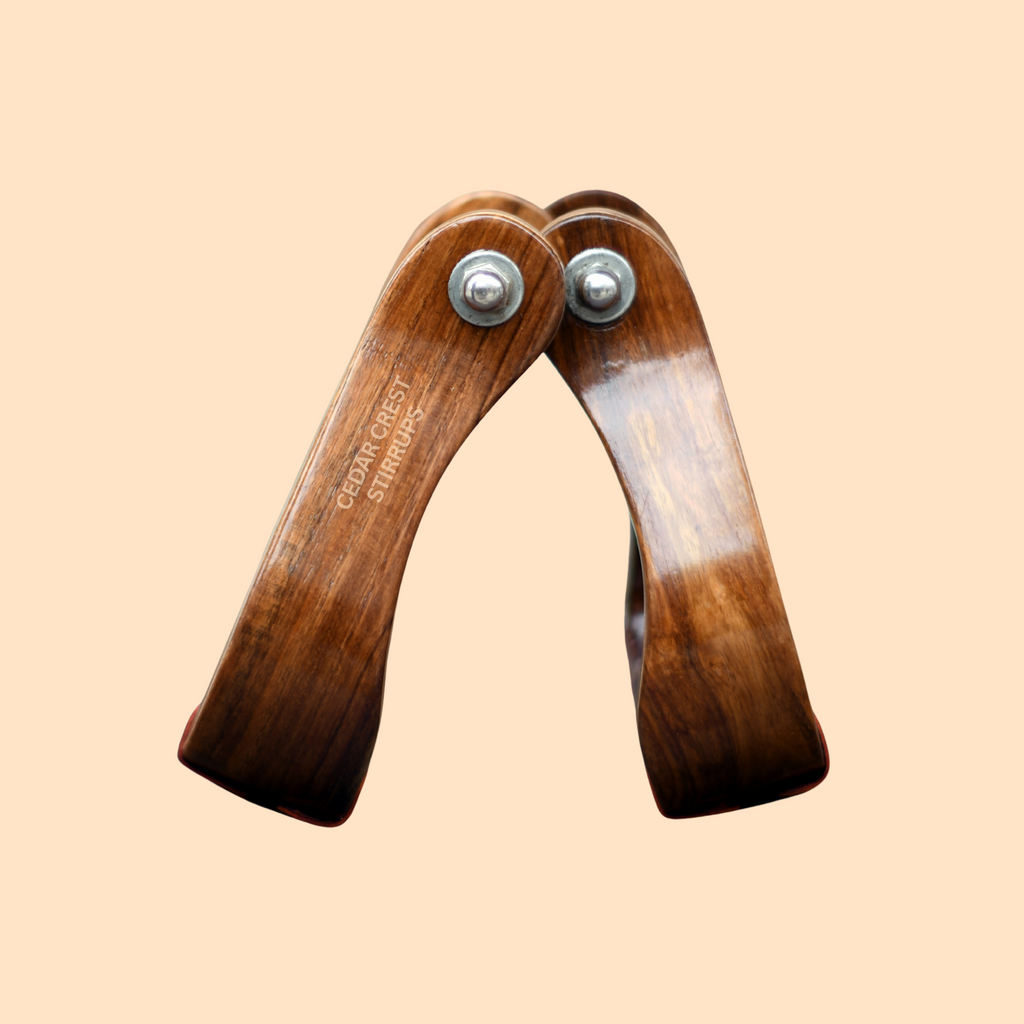
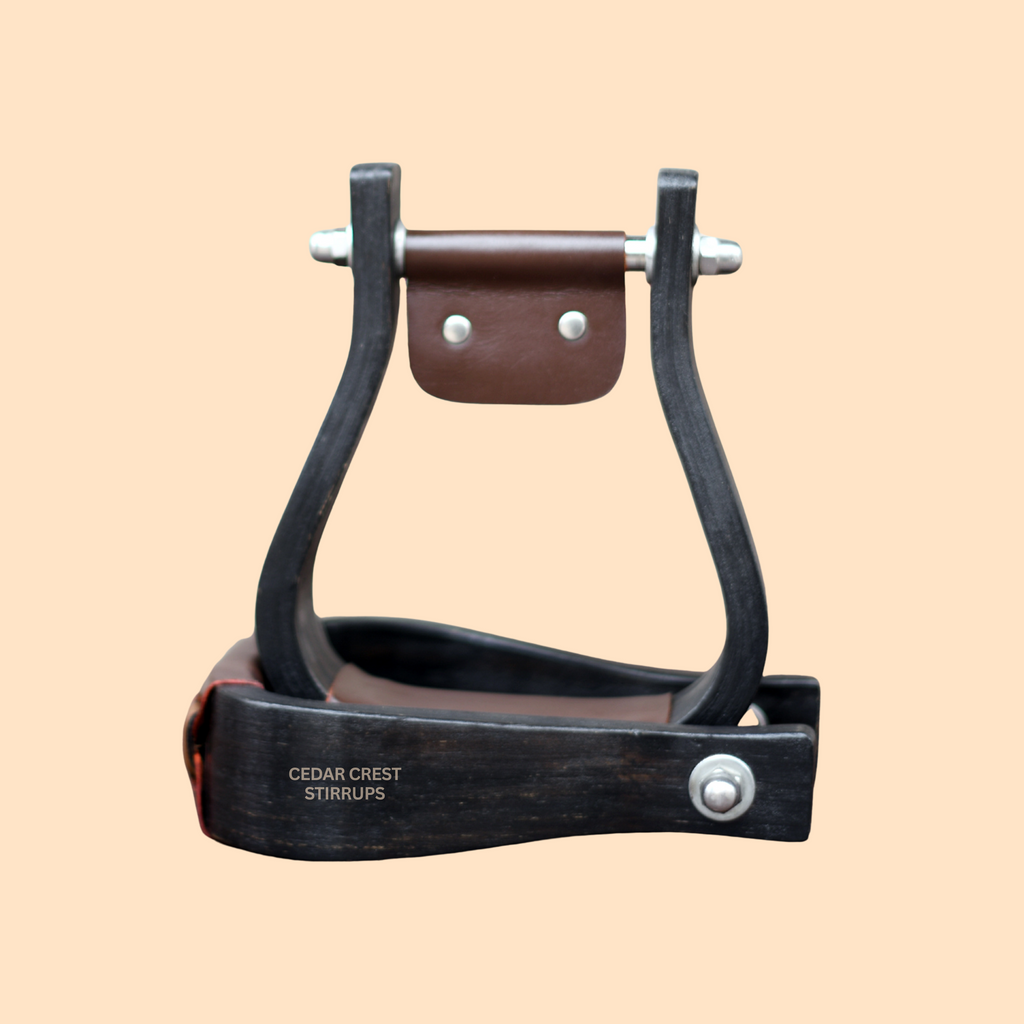
The stirrup may be composed of wood, aluminum, steel or synthetic/composite material. Wood tree stirrups, sometimes coated with rawhide, are the traditional popular style for added flexibility and cushioning. Performance riders preferring lighter, more durable materials “Aluminum”, also known as Aircraft Aluminum and comfort may choose to use an ALUMINUM or COMPOSITE FLEX stirrup with a wide food pad for additional balance.
Width & Tread:
A wider tread spreads the load across your foot, this helps keep you comfortable on a ride that lasts all day. On narrower treads, you can change your foot up and down more quickly for performance disciplines.
Weight:
Heavier stirrups hang stiller and they are easier to locate if your foot slips out. Lighter stirrups are less strain on your knees but can also give you more bounce back, like it or not.
Angle & Offset:
Angled or offset stirrups help place your leg and ankle in a more relaxed position, so joints can move without getting as tired.
Safety features:
Breakaway designs or rubber grips can keep your foot from getting caught in the stirrup if you have a fall — consideration, especially for trail and beginning riders.
Trail Stirrups: Comfort and Endurance
Trail riders spend hours in the saddle, riding over rough terrain and steep hills. This category is all about comfort and support.
The perfect Trail Riding stirrup is extra wide and comfortable. Large “endurance” style stirrups with thick, cushioned rubber grip tread helps to absorb the shock of mountain and trail riding and also takes away some pain in knees and ankles! Models with nonslip rubber treads or shock-absorbing pads will also help reduce fatigue on long trips, so keep an eye out for those features.
Composite or wooden material is well-suited for trail riding. Rubber stirrups provide durability, strong resistance and light weight;The composite stirrup is extremely lightweight, weatherproof and provides excellent grip while still allowing the foot to release easily in a fall. Wooden stirrups are original western design with a hardwood laminated construction that is perfect for trail riding or training purposes which allows your foot to stay slightly cooler than aluminum constructed stirrups.
What's more, stirrups with a little offset or angled neck can help to put your feet in a comfortable and natural position so they're not torquing the ankle. Riders who get on and off a lot when riding in rough terrain may want safety stirrups that release during unexpected slips or spooks.
Barrel Racing Stirrups: Agile and Fast.
Barrel racing requires rapid getaways, sharp cornering and short bursts of speed — all while perfectly balanced. The correct stirrups can help your control and timing.
For barrel racers, lightweight aluminum stirrups are ideal for minimal swing and extreme provided much-acquired feedback. Tires of middle-to-small width enable rapid relocation, so you can be in the right position at any time.
Some riders choose angled stirrups designed to naturally align the knees and ankles on sharp turns. Rubber or treaded grips provide traction to push in your runs. Due to the fact that barrel racing is a fast-paced activity, keeping your stirrups from moving or flailing under pressure is key.
One of the small, but noticeable, details is stirrup neck height – if your feet are closer to the horse (thanks to a shorter neck), you’ll have more leverage and security in the saddle.
Roping Stirrups: Balance and Quality
Roping is judged as the most physically demanding of western performances. When the rope snuffs out on a steer or calf, the body of the rider is exposed to violent forces that act abruptly. It is important to have stability, balance and durability.
For the rope artists heavy wooden stirrups wrapped with rawhide or leather edges are popular. These are built strong for a sturdy, hardworking feel made to take the even harshest roping. A broad treadblead provides even distribution of pressure as you brace against the pull of a rope.
The stirrups should have enough weight to carry straight and be easy to find if your foot comes out while riding. Manyon Professionals choose an offset stirrup for the reduced wear and tear on their ankles when riding a hard running steer.
Since roping saddles are designed for function and form, when you combine that with the correct set of stirrups it makes it easy for your body to stay balanced while handling a rope and controlling the horse at the same time.
Cutting and Reining Stirrups: Accuracy and Touch
Performance is found through minor cues and precision movement in cutting and reining. Riders want their stirrups to keep them in better contact and control over a horse.
Aluminum or lighter wooden stirrups with slightly wider treads are commonly used in these events. They provide that crucial support while also giving you enough freedom of movement. The leathers must rotate freely and be even; the rider needs to feel the movement of the horse through his legs.
I find that some riders like a bit of an angle or an 'off set' even just for a comfortable leg position over long stints in the show arena. The aim is to find a solid platform with-out losing your ability to move weight around fast and subtle.
Western Pleasure and Show Riding Stirrups: Fashion Meets Function
Of course comfort and balance matter in a saddle no matter what but there are aesthetics to consider as well in show disciplines. Western pleasure riders usually opt for fancy wooden or engraved aluminum stirrups that match the saddle’s detailing.
But you shouldn’t be trading functionality for looks. A well balanced mid-weight stirrup that will help keep your leg in the correct position so you can look fantastic in the ring. Picking out a design that compliments your saddle’s finish — whether it be tooled leather or a polished piece of metal — can add the finishing touch to present you consistently well, and in comfort through an entire day of classes.
Western Stirrup Care and Durability
No matter your discipline keeping up with you stirrups keeps them lasting longer and helps keep you safe. Wooden stirrups need to be cleaned and conditioned to avoid cracking, aluminum and composite models (like my abused Super Sport) should be checked for loose bolts, worn treads or bent frames.
If you ride often in wet or muddy conditions, look for corrosion-resistant materials and make sure your treads remain dry and grippy. Upgrading footbeds or pads can easily increase comfort and safety.
Conclusion: Match up Your Stirrups to your Riding Objectives
What stirrups are right for you is a matter of your body, your horse and the discipline you ride. Endurance stirrups for trail riders with shock-absorbing cushions. Barrel racers you want something light, so your horse can move! However, ropers rely on a strong and secure stirrup that will take the heat.
So, small though it may seem, the stirrups you choose can affect everything from your posture to your performance. Spend some time experimenting with different designs, materials, and positions to find the one that fits you best. The correct pair gains comfort, protects your joints, maximizes control and keeps you connected to your horse through seamless communication—everything from the open trail to the show arena to whatever lies along the next rise.
What is the purpose of Western stirrups?
Western stirrups support the rider’s balance, posture, and safety. They help distribute weight evenly and absorb shock, reducing strain on the knees and ankles.
How do I choose the right stirrups for my riding discipline?
Match your stirrups to your activity: choose wide cushioned treads for trail riding, lightweight aluminum for barrel racing, durable wooden for roping, and stylish engraved options for show disciplines.
What materials are best for Western stirrups?
Common materials include wood, aluminum, steel, and composite.
- Wood: Traditional, flexible, and cool for trail or roping.
- Aluminum: Lightweight and ideal for speed events.
- Composite: Weatherproof and comfortable for endurance riders.
What’s the difference between wide and narrow tread stirrups?
A wide tread offers more comfort for long rides, reducing pressure on feet and joints. A narrow tread allows quicker foot movement, perfect for competitive or speed events.
Should I choose heavier or lighter stirrups?
Heavier stirrups hang more steadily and are easier to locate if your foot slips. Lighter stirrups reduce fatigue and are favored in fast-paced disciplines like barrel racing.
What are offset or angled stirrups?
Offset stirrups position your foot more naturally, easing tension on knees and ankles. They help maintain leg alignment and comfort during long rides.
What type of stirrups are best for trail riding?
Trail riders should choose wide, cushioned stirrups made from composite or wood, often with non-slip rubber treads and shock-absorbing pads for comfort on long, uneven rides.
Which stirrups are ideal for barrel racing?
Lightweight aluminum stirrups with smaller widths and rubber grips provide agility and control during sharp turns and quick transitions.
What are the best stirrups for roping?
Ropers prefer heavier, rawhide-wrapped wooden stirrups with wide treads for stability and durability when bracing against strong pulls.
What stirrups work best for cutting or reining?
Choose slightly wider, lightweight aluminum or wooden stirrups that provide control and responsiveness, allowing precise leg cues and close contact with the horse.
How can I maintain and care for my Western stirrups?
- Wood: Clean and condition regularly to prevent cracking.
- Aluminum/Composite: Check bolts, replace worn treads, and prevent corrosion by drying after rides.
- Store in a dry, cool place away from moisture.
Are safety stirrups worth it?
Yes. Breakaway stirrups or those with rubber grip treads can prevent your foot from getting caught during a fall, making them ideal for trail and beginner riders.
What role does stirrup neck height play?
A shorter neck keeps your feet closer to the horse for better leverage and security, while longer necks allow more flexibility in leg positioning.
Can I use the same stirrups for multiple Western disciplines?
You can, but specialized stirrups optimize performance. For example, trail stirrups focus on comfort, while barrel racing stirrups prioritize agility.
How often should I inspect or replace my stirrups?
Inspect before every ride for wear, loose bolts, or cracks. Replace if any part feels unstable, slippery, or if padding and treads lose grip.
Related post
27
Mar
27
Mar